Ask The Author | Iowa City Author Weaves New Murder Mystery in Latest Book
Brody Hunt, Arts Reporter
March 12, 2026
The Daily Iowan: You worked at a bookstore previously in your life. Is that a large inspiration for your book?
Avelleyra: Absolutely. While I lived in Madison, Wisconsin, I worked at a tiny bookstore for eight years. We bought and sold books to the public. I thought it was such a rich setting. There were so many good characters I could draw on. So many of the characters are loosely based on people I worked with.
I feel like I’ve also learned that you need to write from what you know. In a lot of books, mystery books included, typically you’ll see millionaires or celebrities in the plot, but that’s not the type of circle I’m in. So I’m writing about ordinary people. Writing about regular people also tends to make them more relatable.
You set your book in the late ‘90s. Why did you decide to make that choice?
Well, I worked there from around 1997 to 2005, and set the book in 1999. There are a lot of things that were different in that time frame that set it apart, I think. In writing it, I had to remember people weren’t using cell phones like they are now, even with our store we had a computer but you couldn’t just look up and type what you were looking for in the inventory.
It was too time-consuming to computerize things, and so we had to look for books the ye-old-fashioned way. It wasn’t a bad thing, though; it was actually one of the best jobs I ever had. It was one of those jobs where I looked forward to going to work every day, and the people I worked with became family to me. That time in my life just felt right.
How did you first approach writing this book, and what inspired you along the way?
I’ve always talked about how murder mysteries and mysteries have always been a big part of my life. It has always been a thread throughout my life. It all started with the book series of Nancy Drew. I’d always read other things, but there was something about mysteries that kept me reading. Sherlock Holmes, Agatha Christie, I read those, and I wanted to read every single mystery out there.
What are some quotes that you tend to live by?
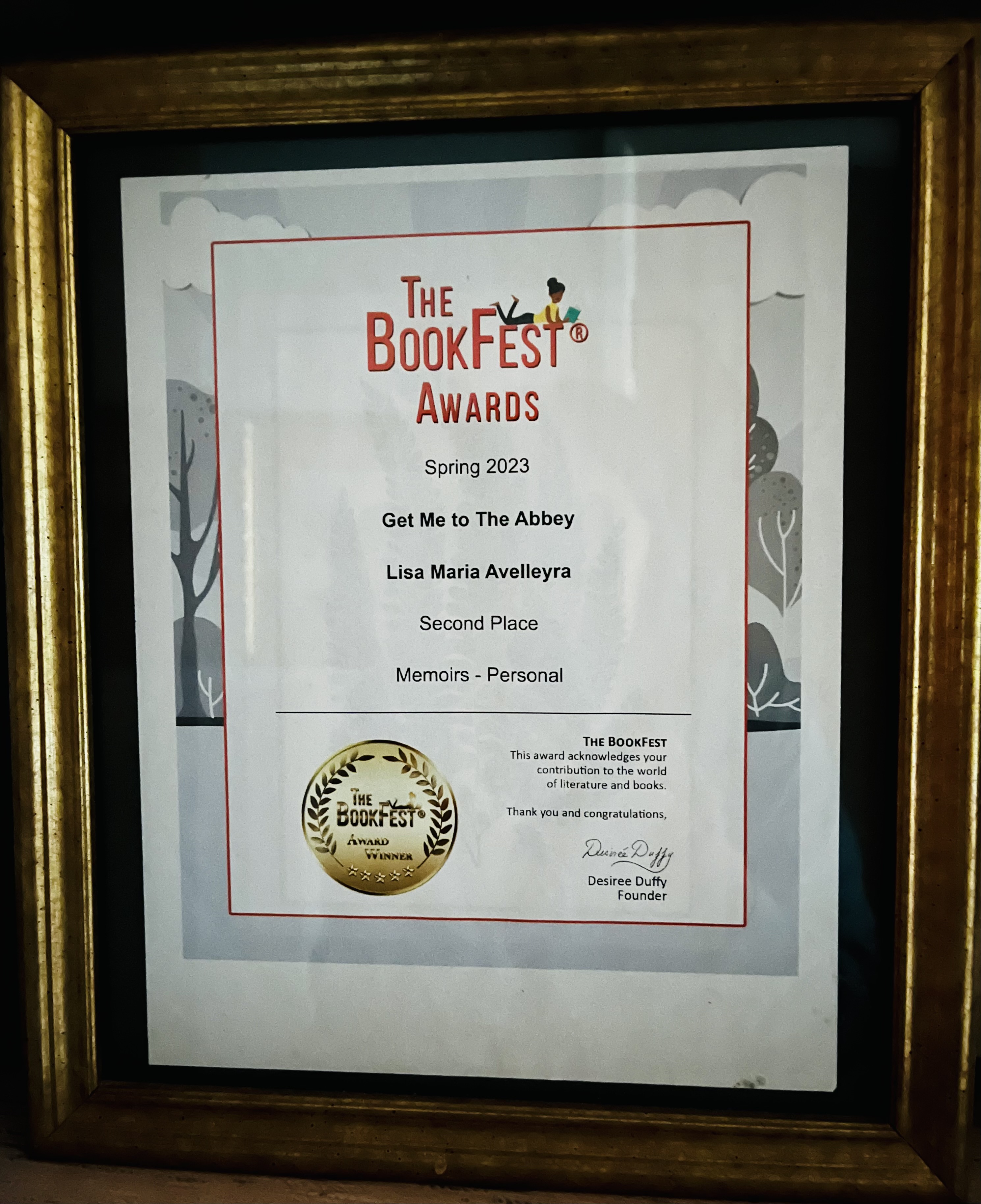
One that helps me, especially with this political climate, is “You can’t control what happens to you, but you can control how you respond to it.” It stands out to me a lot because it’s what they would say when I was going through rehab during the first book I wrote, a memoir about when I got sober. I remember that was something that came up in our group sessions a lot, and I live by that.
How has your writing style changed over time, and as you write more?
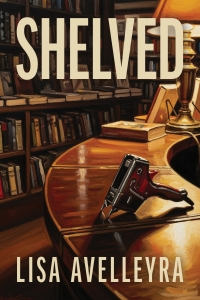
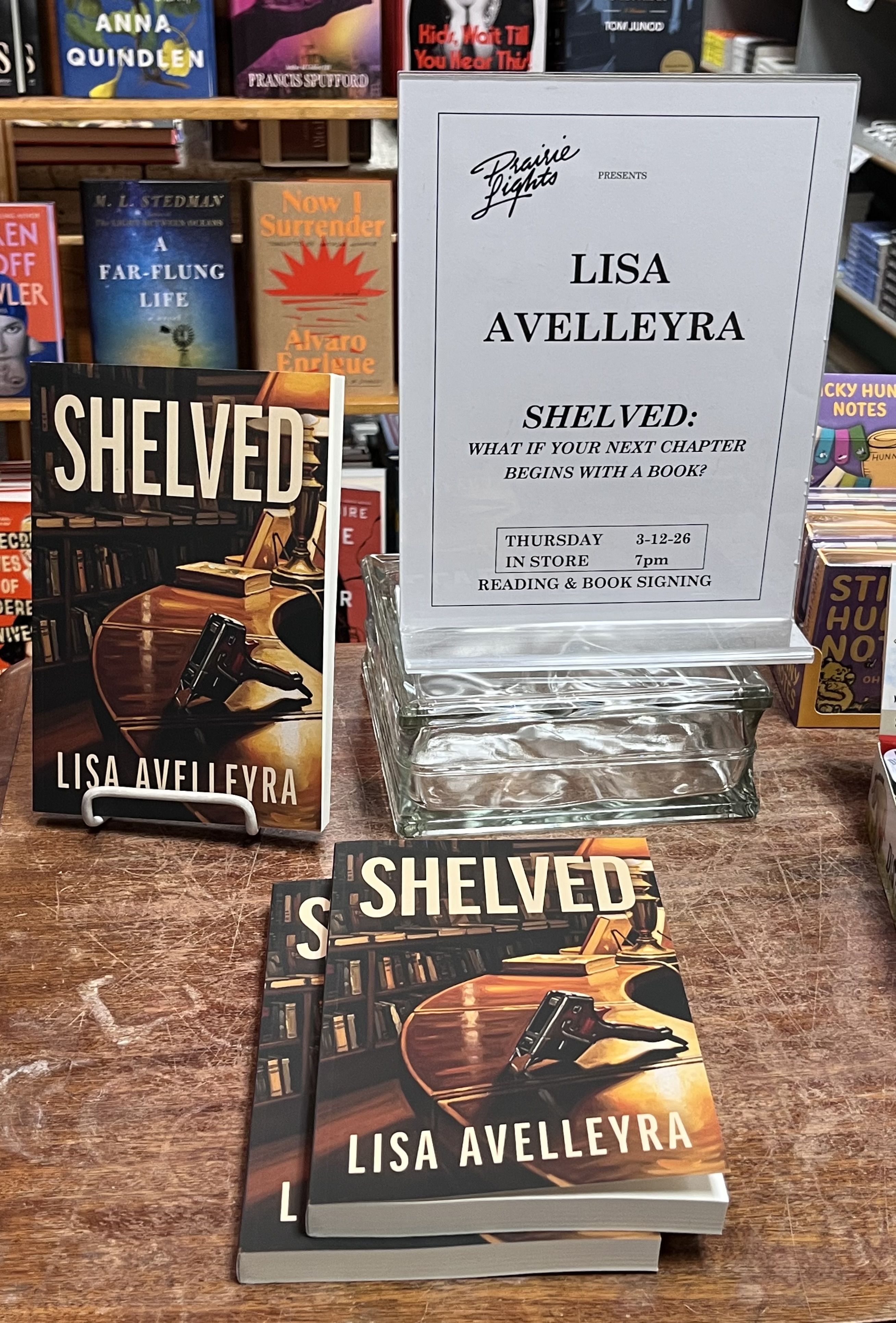
I don’t think it’s changed. I think it’s developed. I’ve developed a style for my writing in the same way that many established authors do. In my memoir, a lot of readers told me it read like a novel. It flowed like a novel. The pacing and the way I developed the characters carried over to “Shelved.” So I don’t think it’s changed; it’s more developed than before.
It’s not exactly lyrical, but I think it’s approachable and readable. I’m not a flowery writer, and I do like description, but I don’t like it to be overwhelming or too long-winded.
 What part of the writing process can be difficult for you, and what sort of challenges did you tend to face when writing that?
I wish I were more consistent, because once I start writing, it’s like two or three hours just disappear. I become immersed in it, but that’s only when I open my computer and start to write in the morning. I’m writing another book now, but I haven’t been working as much as I wish I could be. It’s not necessarily procrastination, but I need to be more motivated to do it. I’ve never really had writer’s block, and the ideas are constantly flowing; it’s the struggle of putting the thoughts onto paper.
What advice do you have for aspiring authors?
I’ve learned in rehab that you just can’t compare yourself to other people. It’ll put you in a tailspin, and you just have to become comfortable. It’s used in writing, and through life too. You have to become comfortable with your style, and comparing yourself to others isn’t ever helpful.